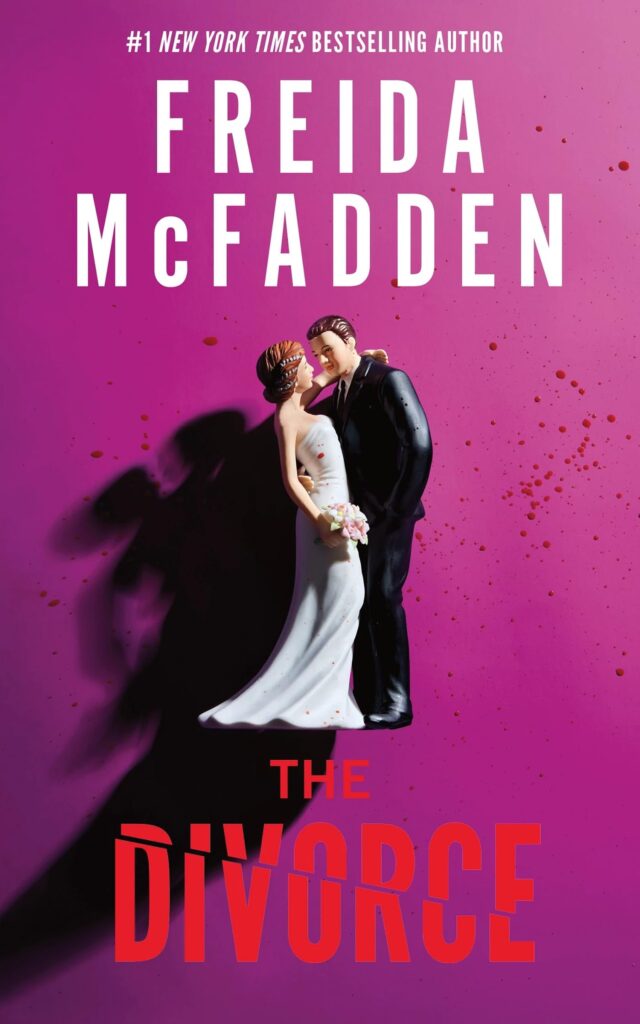
The Divorce is a guided journal designed to help individuals navigate the emotional and logistical chaos of separation or divorce. It’s a physical book with structured prompts, checklists, and reflective exercises—not an app or a therapy session. Many people pick it up during the early, raw stages of a split, when the legal paperwork and emotional whiplash feel overwhelming. The journal asks users to set intentions, track feelings, and organize practical tasks like dividing assets or co-parenting schedules. It’s meant to be a companion for the messy middle, not a solution that makes everything better.
In real-world use, the journal works best when you have a few quiet minutes each day. Some users write in it at night, others during lunch breaks. The prompts range from gentle (“What are you grateful for today?”) to blunt (“List three things your ex did that you won’t miss”). The structure is loose enough to skip sections, but firm enough to provide a framework. It’s not a diary—it’s more like a workbook that nudges you toward clarity without forcing a timeline.
Key functional features include: a mix of open-ended questions and checklists, space for legal notes, mood tracking grids, and a section for future planning. The binding lies flat, which is helpful when you’re writing while holding a cup of tea. The paper quality is decent—gel ink doesn’t bleed through much, which matters if you’re the type to write intensely. There’s also a pocket in the back for receipts, notes from lawyers, or keepsakes.
But let’s talk about limitations. This journal assumes a certain level of literacy and emotional readiness. If you’re in the middle of a high-conflict divorce with custody battles or financial abuse, the gentle prompts might feel inadequate or even frustrating. The journal also leans toward closure—it encourages acceptance and moving on—which may not suit someone who needs to stay angry or fight for their rights. The prompts can feel repetitive after a few weeks, and the lack of digital backup means you can’t search or export your entries. If you’re the type who prefers typing or voice notes, this analog format might feel limiting.
Compared to a generic self-care notebook or a therapy workbook, The Divorce is more specific but less clinical. A standard gratitude journal won’t help you draft a co-parenting plan, and a therapy workbook might assume you have a therapist guiding you. This journal sits in the middle—it’s for people who want structure without professional oversight. It’s also cheaper than therapy, but it doesn’t replace it. Think of it as a supplement, not a substitute.
Who is this for? It suits individuals who process emotions through writing, who want a roadmap through the practical side of divorce, and who can handle self-reflection without spiraling. It’s also good for people who feel stuck and need a nudge to start untangling their thoughts.
Who isn’t it for? People in active crisis, those with severe depression or trauma, or anyone who finds journaling triggering. If you’re looking for legal advice or a step-by-step guide to court proceedings, this won’t help. It’s also not ideal for those who dislike writing or prefer digital tools.
Realistically, The Divorce won’t fix your marriage breakdown or fast-track healing. It’s a tool, not a cure. Some users report feeling more organized after a few weeks, others say it helped them cry less. But if you’re hoping for a dramatic transformation, you’ll be disappointed. The journal is honest about that—it’s a place to dump your chaos, not erase it.
On the positive side, the journal’s tone is neutral and non-judgmental. It doesn’t push religion, positivity, or a specific timeline. The prompts are practical enough to reduce anxiety about forgetting important tasks. For example, there’s a section to list all your accounts, passwords, and bills—something many people overlook when they’re emotional. That alone can save headaches later.
One trade-off is the price. It costs more than a standard notebook, but less than a coach or therapist session. If you’re on a tight budget, you could replicate some exercises with a cheap notebook and free online prompts. But the convenience of having everything in one place, with thoughtful pacing, justifies the cost for many.
Overall, The Divorce is a solid, no-frills resource for a specific, painful life event. It’s not revolutionary, and it won’t work for everyone. But if you’re the kind of person who finds clarity through writing, and you’re ready to start organizing the chaos, it’s worth a look. Just don’t expect it to do the hard work for you.
"Handpicked and reviewed by the DreamAlliance team — every product is verified and linked directly to Amazon."