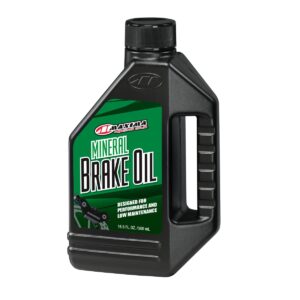
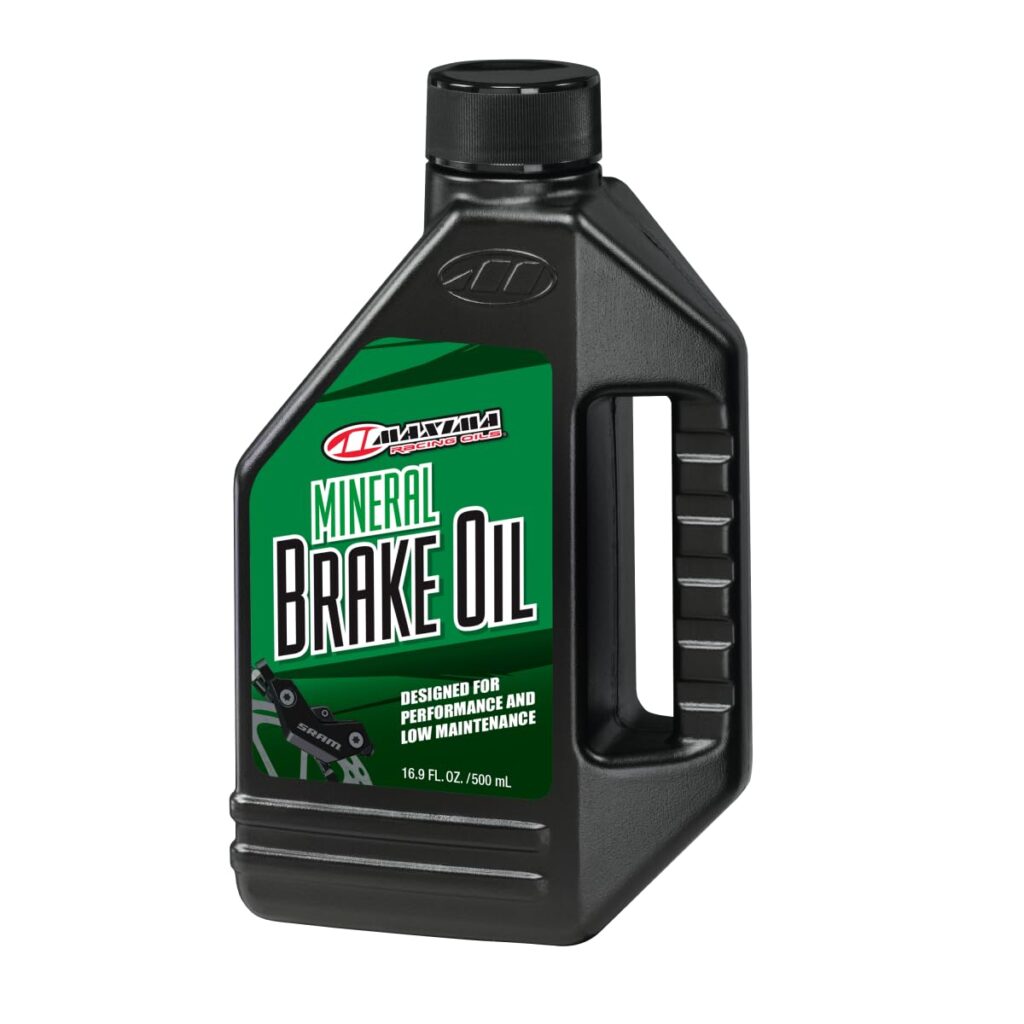
Mineral brake oil is a specific type of hydraulic fluid used primarily in bicycle disc brakes, though it also appears in some automotive and motorcycle applications. Unlike DOT fluid, which is glycol-based, mineral oil is exactly what it sounds like—a petroleum-based lubricant that doesn’t attract water. This review focuses on its real-world behavior in cycling, where it’s most commonly encountered.
In practice, mineral brake oil is the lifeblood of many mid-range to high-end mountain bike and road bike brake systems from brands like Shimano and Magura. It transfers force from the lever to the caliper pistons, allowing the pads to clamp the rotor. The oil itself is often dyed blood-red or clear, and it has a noticeably thicker, oilier feel than DOT fluid. When bleeding brakes, you’ll notice it doesn’t evaporate quickly and leaves a greasy residue—which means cleanup requires isopropyl alcohol or a dedicated degreaser.
Key functional features of mineral brake oil include its non-hygroscopic nature, meaning it doesn’t absorb moisture from the air over time like DOT fluid does. This translates to more consistent brake feel in humid or wet conditions, and less frequent fluid changes for many riders. It also has a higher boiling point than typical DOT 3 or 4 fluids, reducing the risk of brake fade during sustained descents. However, it’s worth noting that mineral oil’s viscosity changes more with temperature—it can feel sluggish in freezing weather and very thin in extreme heat.
One major limitation is its incompatibility with DOT systems. You cannot mix mineral oil with DOT fluid, and using the wrong fluid can damage seals and internals. This means you’re locked into whatever fluid your brake manufacturer specifies. For example, Shimano brakes require mineral oil, while SRAM and many automotive systems use DOT. If you own multiple bikes with different brake brands, you’ll need to keep two types of fluid and bleeding kits on hand.
Compared to DOT fluid, mineral oil is less aggressive on paint and skin—it won’t strip paint or cause chemical burns as easily. But it’s also less thermally stable at extremely high temperatures. In heavy downhill riding or repeated hard braking, mineral oil can reach its boiling point and cause a sudden loss of braking power (spongy lever feel). DOT 5.1 fluid handles extreme heat better, but requires more frequent replacement due to moisture absorption.
Mineral brake oil is suitable for recreational and serious trail riders who want a low-maintenance, consistent brake feel without worrying about fluid contamination. It’s ideal for commuters and casual cyclists who prefer not to deal with the aggressive properties of DOT fluid. However, it is not suitable for competitive downhill racers or riders who subject their brakes to extreme, sustained heat—unless they’re willing to bleed brakes more frequently. It’s also not ideal for riders who own multiple brake systems from different brands, as the incompatibility can become a hassle.
Realistic performance expectations: Mineral oil works well for most riding conditions, but it’s not a miracle fluid. You’ll still need to bleed brakes every 1-2 years, or sooner if you notice a spongy lever. The fluid itself is relatively inexpensive, but the proprietary bleed kits can be pricey. If you’re a home mechanic, be prepared for messy spills—mineral oil stains concrete and is slippery on rotors. Always clean rotors thoroughly after any fluid contact.
In summary, mineral brake oil is a solid choice for riders who prioritize convenience and consistent performance over extreme heat tolerance. It’s less fussy than DOT fluid, but it’s not universally compatible and has real thermal limits. Choose it if your brakes call for it, but don’t expect it to outperform dedicated racing fluids in the most demanding conditions.
"Handpicked and reviewed by the DreamAlliance team — every product is verified and linked directly to Amazon."