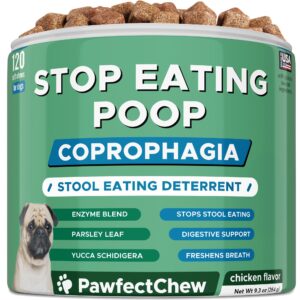
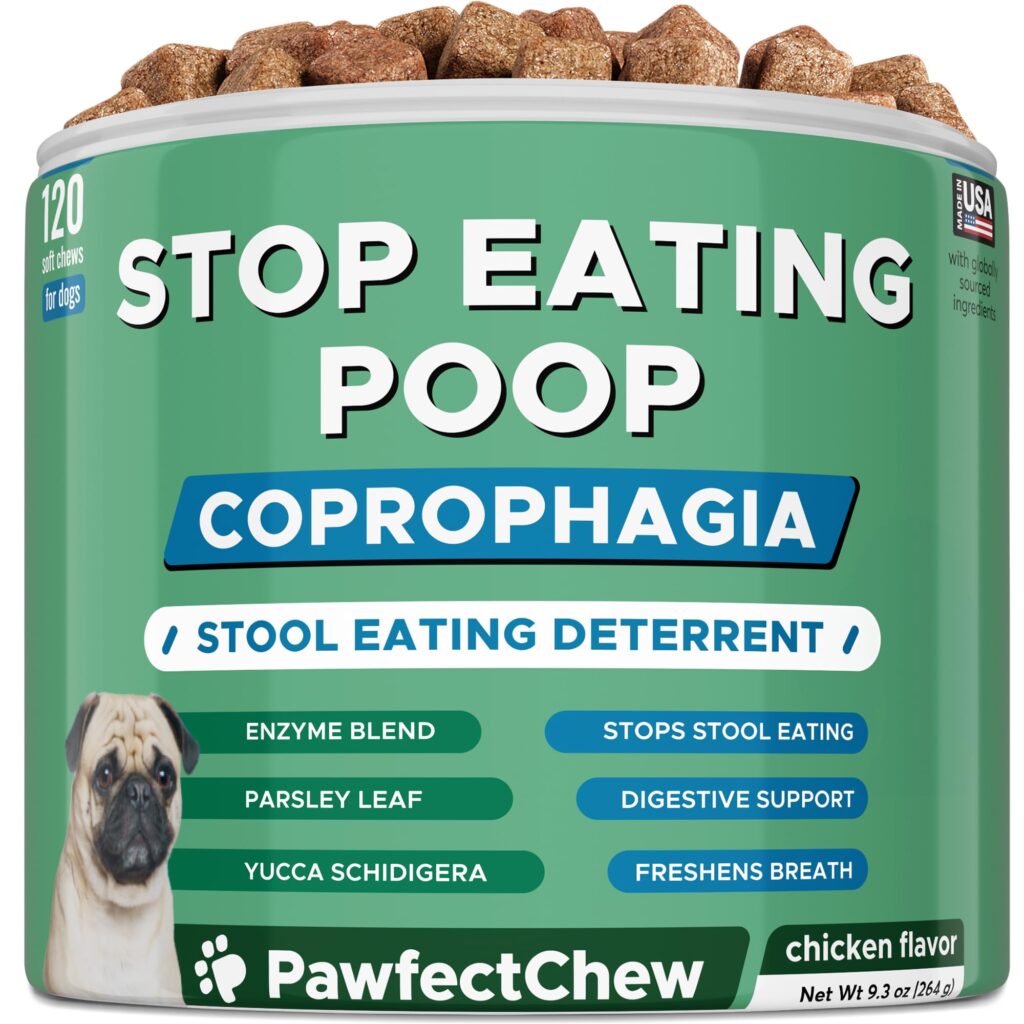
Dealing with a dog that eats poop is one of the less glamorous sides of pet ownership. It is a frustrating habit that many owners want to stop, and the market is full of supplements claiming to help. The PAWFECTCHEW No Poo Chews are one such option, aiming to deter coprophagia while also offering digestive and breath support. After looking into how these chews work and what users typically experience, here is a grounded take on what they do and do not offer.
These soft chews are designed to be given daily, usually with a meal. The idea is that the ingredients make the dog’s stool taste unappealing, breaking the cycle of eating it. They also include probiotics and digestive enzymes to support gut health, which can sometimes be at the root of the behavior. The breath aid component is a bonus, though it is not the primary function.
In real-world use, consistency is key. Owners typically need to give the chews for at least two to four weeks before seeing any change. The results are not instant, and the product works best when combined with diligent cleanup and supervision. For example, if your dog eats poop in the yard, you still need to pick up promptly to remove the opportunity. The chews are more of a deterrent than a cure-all.
Key functional features include:
- Coprophagia deterrent formula: Uses natural ingredients to make stool taste unpleasant without harming the dog.
- Probiotics and digestive enzymes: Aim to improve digestion and nutrient absorption, which may reduce the urge to eat stool.
- Breath aid support: Includes ingredients like parsley and peppermint to freshen breath, though this is a secondary benefit.
- Made in the USA: Manufactured in a facility that follows quality standards, which adds a layer of trust for some buyers.
- Soft chew format: Most dogs accept these easily, as they have a palatable flavor and soft texture.
One limitation worth noting is that these chews are not a magic bullet. Some dogs simply do not respond to the deterrent approach, especially if the behavior is rooted in anxiety, boredom, or a medical issue. In those cases, the chews may have little to no effect. Additionally, the cost can add up over time, as a 120-count bag lasts about two months for a medium-sized dog. If you have multiple dogs, the expense multiplies quickly.
Compared to a generic alternative like adding meat tenderizer or pineapple to a dog’s food—a common home remedy for coprophagia—these chews are more convenient and targeted. Home remedies require daily prep and may not work consistently, while the chews are pre-dosed and easier to stick with. However, home remedies are cheaper and worth trying first if cost is a concern.
These chews are suitable for dogs that eat their own stool or another pet’s stool, provided the behavior is not driven by a medical condition like malnutrition or pancreatic issues. They are less suitable for dogs with severe anxiety or compulsive disorders, where the root cause needs behavioral or veterinary intervention. Also, if your dog is a picky eater, the soft chews are generally well-accepted, but it is not guaranteed.
Realistic expectations are important. Most users report a gradual reduction in stool eating over several weeks, not a sudden stop. Some see a complete resolution, but many see only partial improvement. The digestive benefits, like firmer stools and less gas, are more reliably noticed by owners than the breath aid effect. The breath freshening is mild and temporary.
Overall, the PAWFECTCHEW No Poo Chews are a decent option for owners who have tried basic cleanup and training without success. They are not a substitute for addressing underlying health or behavioral issues, but they can be a helpful tool in the right context. If you are looking for a straightforward, no-fuss supplement to discourage stool eating, this product is worth considering—just do not expect it to work for every dog overnight.
"Handpicked and reviewed by the DreamAlliance team — every product is verified and linked directly to Amazon."