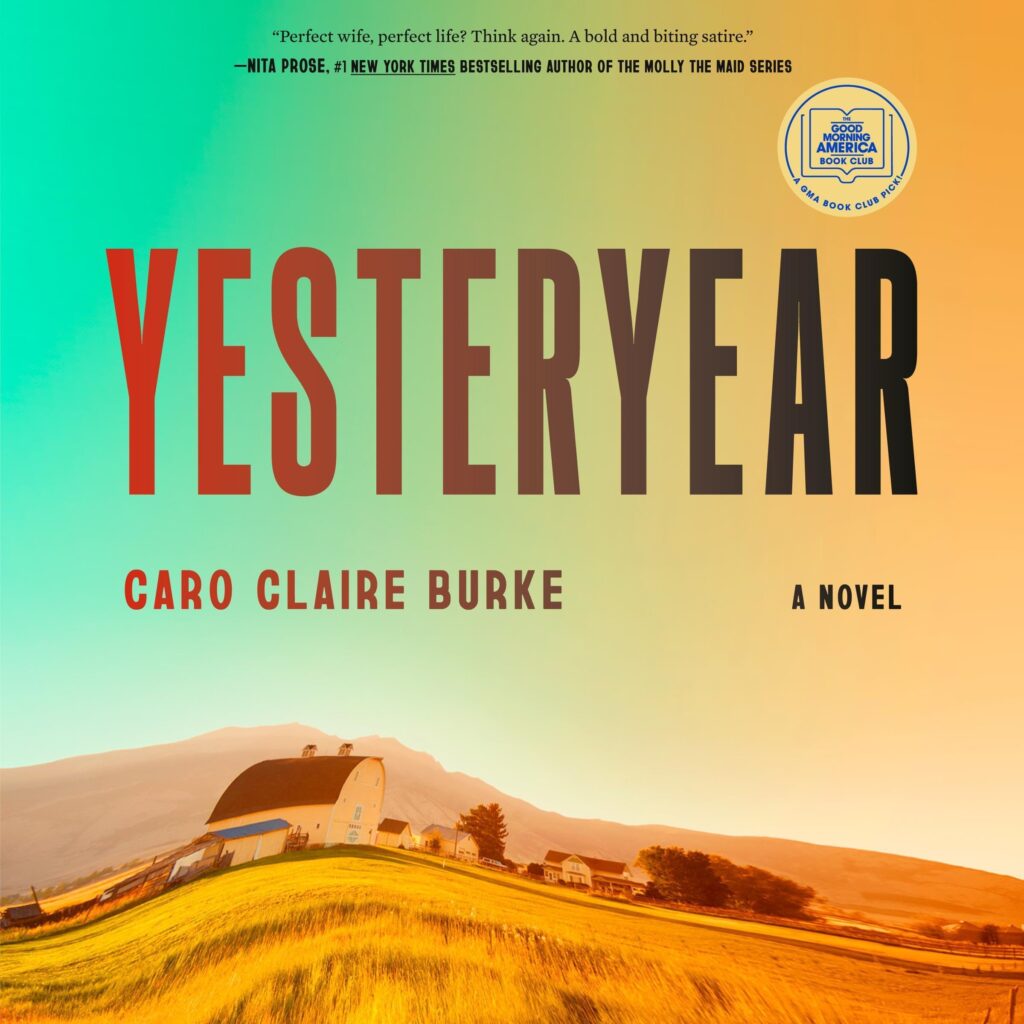
Yesteryear, a novel selected as a GMA Book Club Pick, is the kind of book that lands on coffee tables and nightstands with some buzz, often recommended for its premise about generational secrets and small-town dynamics. In practice, it’s a read that fits well into a leisurely weekend or a book club discussion, where the focus is more on character relationships than plot twists. The story unfolds through alternating timelines, which is a common device in contemporary fiction, and it aims to explore how the past shapes present choices.
Key functional features of the novel include its dual narrative structure, which jumps between the 1970s and the present day. This allows the author to slowly reveal connections between characters, though it can sometimes feel disjointed if the chapters are too short. The prose is descriptive, with a focus on sensory details like the smell of old houses or the texture of vintage clothing, which helps set the atmosphere. The pacing is moderate, with some sections dragging in the middle as the plot meanders through everyday moments. The book also includes a reading group guide at the end, which is a practical addition for club discussions, offering questions that encourage deeper reflection on themes like memory and forgiveness.
However, there are trade-offs. The dual timeline, while effective in building mystery, occasionally leads to repetitive information as the same events are viewed from different perspectives. Some readers may find certain character motivations underdeveloped, particularly for the secondary characters, who feel more like plot devices than real people. The ending, while tidy, leans toward sentimentality, which might not appeal to those who prefer more ambiguous conclusions. Additionally, the novel’s focus on nostalgia can sometimes overshadow its more serious themes, such as loss and regret, making it feel lighter than intended.
Compared to other Book Club Picks or similar literary fiction, Yesteryear shares DNA with works like The Nightingale or The Vanishing Half in its use of secrets and family history, but it lacks the same emotional weight or historical depth. Where those novels immerse you in a specific era’s hardships, Yesteryear feels more contained, almost like a cozy mystery without the crime. It’s less ambitious in scope, which can be a strength for readers who want a manageable, character-driven story without heavy research or complex world-building. On the downside, it doesn’t offer the same level of tension or surprise that some readers might expect from a book with a hinted-at secret.
This novel is suitable for readers who enjoy gentle, introspective stories about family dynamics and small-town life, especially those who like narratives that slowly peel back layers of history. It’s a good pick for book clubs that prioritize discussion of character choices over fast-paced action. However, it may not be suitable for readers who prefer plot-driven thrillers, experimental narratives, or stories with sharp, unsentimental endings. If you’re looking for a book that challenges conventions or offers a gritty realism, this might feel too comfortable or predictable.
In terms of real-world usage, Yesteryear works best when read in quiet, uninterrupted sessions, as the shifting timelines require some attention to keep track of characters and events. It’s not a book you can easily skim or pick up after a long break without losing the thread. The prose is accessible, but the emotional payoff depends on how much you invest in the characters’ internal struggles. For some, the slow burn will feel rewarding; for others, it may test patience. Overall, it’s a competent example of its genre, but it doesn’t break new ground.
"Handpicked and reviewed by the DreamAlliance team — every product is verified and linked directly to Amazon."